
West Maui Rental Rules & Regulation
Maui Bill 9 and West Maui Condo Rental Rules
Understand the West Maui phaseout timeline, the limits of Minatoya List status, the difference between apartment and hotel zoning, and the documents that should be verified before buying or selling a condo.
Building-specific guidance from a Hawaii-licensed real estate brokerage. General information only, not legal advice.
Updated from Maui County Ordinance 5909 and current county zoning materials.
Reviewed by Barry Ware, Principal Broker. Legal and regulatory sources last reviewed: July 26, 2026.
Check current status: county ordinances, zoning actions and court decisions may change.
What Did Maui Bill 9 Change?
Bill 9 became Maui County Ordinance 5909 on December 15, 2025. It phases out certain transient vacation rental uses operating in apartment districts after an amortization period.
For affected properties in the West Maui Community Plan area, those uses may continue through December 31, 2028, and must cease beginning January 1, 2029, unless another lawful basis applies.
Bill 9 does not prohibit every short-term rental in Maui County. Hotel-zoned properties, qualifying permitted uses, valid timeshare uses and other property categories must be evaluated under their own legal and zoning framework.
Bill 9 applies to property categories, not marketing labels. Whether a specific condo is affected requires review of county zoning, unit-specific records, applicable approvals and current AOAO documents.
This page provides general real estate and market information from a Hawaii-licensed real estate brokerage. It is not legal, tax, zoning, planning, lending or insurance advice. Laws, government interpretations, zoning actions and AOAO documents may change. Buyers, sellers and owners should verify material facts with Maui County and qualified legal, tax, planning, lending and insurance professionals.
Bill 9 Status as of July 2026
Status labels below summarize enacted law and county district categories. They do not mean this site continuously monitors new developments between editorial reviews.
ENACTED
Bill 9 Is Now Law
Bill 9 was enacted as Ordinance 5909 and took effect December 15, 2025.
- Official source:
- Ordinance 5909 (Bill 9) (opens in a new tab)
- Source date:
- 2025-12-15
- Last site review:
- July 26, 2026
DEADLINE ESTABLISHED
West Maui Phaseout Deadline
Affected transient vacation rental uses in West Maui apartment districts may continue through December 31, 2028. The affected use must cease January 1, 2029.
- Official source:
- Ordinance 5909 (Bill 9) (opens in a new tab)
- Source date:
- 2025-12-15
- Last site review:
- July 26, 2026
DISTRICTS ESTABLISHED
H-3 and H-4 Districts Created
Maui County established H-3 and H-4 Hotel District categories in June 2026. This did not automatically rezone each potentially eligible property.
- Official source:
- H-3 and H-4 Hotel District ordinance (opens in a new tab)
- Source date:
- 2026-06-22
- Last site review:
- July 26, 2026
VERIFY EACH PROPERTY
Property Status Still Requires Verification
A building or unit should not be described as unaffected, exempt or rezoned without reviewing current county records and property-specific documentation.
- Official source:
- Ordinance 5909 (Bill 9) (opens in a new tab)
- Source date:
- 2025-12-15
- Last site review:
- July 26, 2026
Maui Bill 9 Timeline
Distinguish dates a law passed, when a district category was established, when an individual property was rezoned (property-specific—never assumed from this timeline), and when an affected use must cease.
April 20, 1989
Ordinance 1797
Changed transient vacation rental treatment in apartment districts while allowing certain preexisting properties to continue under specified exceptions (historical context for later apartment-district TVR rules).
Kind: historical · Ordinance 5909 (Bill 9) (opens in a new tab)
2014
Ordinance 4167
Codified criteria related to qualifying apartment-district transient vacation rentals (historical context for the former exception framework).
Kind: historical · Ordinance 5909 (Bill 9) (opens in a new tab)
May 2024
Bill 9 introduced
The Bill 9 proposal was introduced for county consideration.
Kind: proposal · Maui County Bill 9 announcement / background (opens in a new tab)
December 15, 2025
Bill 9 enacted as Ordinance 5909
Bill 9 was approved and took effect as Ordinance 5909, establishing amortization periods and cease dates for specified apartment-district transient vacation rental uses.
Kind: enactment · Ordinance 5909 (Bill 9) (opens in a new tab)
June 22, 2026
H-3 and H-4 Hotel District categories established
Maui County established H-3 and H-4 Hotel District categories through separate legislation. Creating the categories did not automatically rezone each potentially eligible property.
Kind: district category · H-3 and H-4 Hotel District ordinance (opens in a new tab)
December 31, 2028
West Maui amortization period ends
For affected transient vacation rental uses in the West Maui Community Plan area, the amortization period ends December 31, 2028.
Kind: amortization end · Ordinance 5909 (Bill 9) (opens in a new tab)
January 1, 2029
West Maui cease date
Affected uses in the West Maui Community Plan area must cease January 1, 2029, unless another lawful basis applies.
Kind: cease date · Ordinance 5909 (Bill 9) (opens in a new tab)
December 31, 2030
Remaining Maui County amortization period ends
For affected uses in remaining Maui County areas, the amortization period ends December 31, 2030.
Kind: amortization end · Ordinance 5909 (Bill 9) (opens in a new tab)
January 1, 2031
Remaining Maui County cease date
Affected uses in remaining Maui County areas must cease January 1, 2031, unless another lawful basis applies.
Kind: cease date · Ordinance 5909 (Bill 9) (opens in a new tab)
March 2026 reporting deadlines appear in Ordinance 5909. This timeline does not assert that notices or affected-property reporting were completed unless confirmed in current official materials.
Does Bill 9 Affect a Specific West Maui Condo?
A building name or past rental history is not enough to answer this question. Work through the property-specific records in order. This framework identifies questions; it is not a legal determination.
Step 1
What is the current county zoning?
Possible display values for research notes: hotel district, apartment district, planned development, other classification, or not yet verified. Confirm with current county maps and records—not MLS remarks.
Step 2
Is the property located within the West Maui Community Plan area?
Community plan location helps determine which Ordinance 5909 phaseout timeline may apply (West Maui vs remaining Maui County areas).
Step 3
What legal basis supports transient use?
Possible records may include applicable hotel zoning, a conditional permit, a variance, planned-development authorization, timeshare status, another applicable approval, or no confirmed basis yet. Do not assume every listed basis applies to condos generally.
Step 4
Was the property relying on the former apartment-district exception?
Prior operation or list inclusion alone is not enough to establish current or future eligibility. Review whether the former exception framework was the claimed basis and what Ordinance 5909 changed.
Step 5
Has a property-specific H-3 or H-4 zoning change been approved?
The existence of H-3 and H-4 zoning categories does not prove that a particular parcel has been rezoned. Review the current zoning map, enacted property-specific legislation and county records.
Step 6
What do the AOAO documents allow?
Review the declaration, bylaws, house rules, minimum-stay provisions, rental caps, registration requirements, management requirements, and any pending votes or amendments.
Cautious result language
- Current records indicate additional verification is required
- Existing hotel zoning appears documented; AOAO review remains necessary
- Potential Bill 9 exposure identified
- Property-specific county confirmation recommended
- H-3/H-4 zoning change not confirmed
- Consult qualified legal or planning professionals
Do not treat any outcome on this page as “legally approved,” “guaranteed legal,” “exempt forever,” or “safe from Bill 9.”
How Different Condo Categories May Be Treated
Bill 9 should not be applied to every West Maui condominium in the same way. The first task is identifying the property’s verified zoning and legal basis for rental use.
Swipe horizontally to compare all columns →
| Property category | General Bill 9 relationship | What still requires verification | Buyer concern | Owner concern |
|---|---|---|---|---|
| Existing hotel-zoned property | Bill 9’s apartment-district phaseout is not the primary framework, but hotel zoning still requires parcel and unit confirmation. | Parcel zoning, unit status, AOAO rules, required registrations and lawful operation. | Whether documents support the intended use and carrying costs still work. | Accurate marketing without unsupported “exempt” claims. |
| Apartment-zoned property previously operating as a TVR | May be subject to Ordinance 5909’s phaseout timeline for the applicable community plan area. | Current zoning, affected-property status, exemptions, other approvals and AOAO rules. | Income assumptions that depend on continued short-stay use after the cease date. | Disclosure, timeline and pricing against verified alternatives. |
| Property with an approved H-3 or H-4 zoning change | Must be evaluated under the approved property-specific zoning action—not category creation alone. | Final enacted zoning, effective date, conditions, parcel coverage and AOAO rules. | Confirming the ordinance actually covers the parcel and unit. | Documenting the final action before making marketing claims. |
| Property only identified as a possible H-3 or H-4 candidate | Candidate or recommendation status is not final zoning. | Whether a property-specific change in zoning was actually approved and became effective. | Avoiding underwriting based on draft maps or public discussion. | Not marketing “rezoned” status prematurely. |
| Validly existing timeshare, variance or otherwise permitted use | Ordinance 5909 identifies limited categories outside the general phaseout rule. | The exact legal documentation and whether the use remains within its authorized terms. | Confirming the authorization still applies to the unit being purchased. | Keeping authorizations and disclosures organized for buyers. |
| Long-term residential or owner-occupied condo | Short-term rental phaseout may not control the intended use, but zoning and AOAO rules still matter. | Permitted occupancy, lease minimums, AOAO rules and applicable tax treatment. | Fit for personal use or long-term rental without assuming nightly income. | Clear positioning to the right buyer pool. |
This table is a general framework. It is not a property-specific zoning determination.
What Did the Minatoya List Actually Mean?
The term “Minatoya List” is commonly used to describe Maui apartment-district properties that were associated with an earlier exception allowing certain transient vacation rental activity.
However, the county code expressly described the public list as informational only. Inclusion did not confirm zoning, establish an allowable use or create a legal right to operate a transient vacation rental.
Ordinance 5909 removed the general apartment-district TVR exception and established phaseout dates for affected uses.
Do not rely on
- A building appearing on an old list
- Past rental activity
- An active rental-management account
- An MLS statement
- A property-tax classification
- A seller’s verbal representation
- A neighbor operating a vacation rental
- A building historically described as “grandfathered”
Request instead
- Current county zoning
- Tax map key and parcel records
- Unit-specific documentation
- Permits, variances or approvals relied upon
- Any property-specific zoning ordinance
- Current AOAO governing documents
- Written seller disclosures
- Qualified legal or planning guidance where appropriate
What Do the New H-3 and H-4 Hotel Districts Mean?
Maui County established H-3 and H-4 Hotel District categories in June 2026 as potential zoning pathways for qualifying properties.
Creating the zoning categories did not automatically change the zoning of every apartment-district condominium. A property should be described as H-3 or H-4 only after a property-specific zoning action has been approved and verified in current county records.
District Category Created
The county code now contains H-3 and H-4 zoning categories.
Candidate or Recommended Property
A property may have been identified for consideration, but recommendation is not final zoning.
Property-Specific Zoning Approved
Only use this status when the final ordinance, parcel coverage and effective zoning can be documented.
Do not market a property as “rezoned,” “Bill 9 exempt” or “approved for continued short-term rental use” based only on a recommendation, map draft, public discussion or inclusion in a candidate list.
County Permission Does Not Override AOAO Restrictions
County and Government Records May Address
- Zoning
- Permitted land use
- Conditional permits
- Variances
- Registration requirements
- Applicable phaseout dates
- Property-specific zoning changes
AOAO Documents May Address
- Whether rentals are allowed
- Minimum rental periods
- Registration procedures
- Guest rules
- Management requirements
- Rental caps
- Fines
- Owner-use restrictions
- Future amendments
A property may have a county zoning basis that allows transient use while the association imposes stricter rental rules. Buyers must review both layers. Conversely, AOAO rules cannot independently create a county land-use right that does not otherwise exist.
Buying a West Maui Condo After Bill 9
Buyer step 1
Identify the Intended Use
Clarify whether the property must support full-time residence, part-time personal use, long-term rental, short-term rental, or mixed personal and rental use.
Buyer step 2
Verify Zoning Before Relying on Revenue
Do not underwrite rental income until current zoning and property-specific status are documented.
Buyer step 3
Review the AOAO Documents
Do not rely only on the listing description or the seller’s current rental operation.
Buyer step 4
Ask the Lender to Review the Specific Project
Financing may depend on project characteristics, insurance, rental concentration and lender requirements.
Buyer step 5
Model a Conservative Alternative
Determine whether the purchase still works if rental income is lower than expected, rental use changes, AOAO fees rise, insurance costs increase, or a special assessment occurs.
Buyer step 6
Include Appropriate Contract Review
Coordinate with the buyer’s real estate, legal, tax, lending and insurance professionals.
What West Maui Condo Owners and Sellers Should Do
Owner step 1
Assemble the Supporting Records
Gather county zoning records; permits, variances or approvals; tax map key; AOAO governing documents; rental-registration records; rental-management agreements; tax-license records where relevant; notices from Maui County; and property-specific zoning actions.
Owner step 2
Avoid Unsupported Marketing Claims
Do not describe a unit as grandfathered, Bill 9 exempt, guaranteed vacation rentable, H-3 or H-4 approved, or legally rentable forever unless supporting property-specific records have been reviewed.
Owner step 3
Understand the Buyer’s Concerns
Buyers may discount a property when rental posture, zoning or documentation is unclear.
Owner step 4
Prepare a Clear Disclosure Package
Organize what is known, what is documented and what still requires third-party confirmation.
Owner step 5
Price for the Verified Use
Pricing should reflect the property’s documented use and current buyer alternatives—not only historical rental income.
The review is intended to identify available documentation and transaction questions. It is not a legal opinion.
West Maui Buildings Commonly Researched for Rental Use
These communities are frequently compared by buyers researching rental posture. Inclusion here does not mean that a building or every unit is hotel-zoned, unaffected by Bill 9 or legally eligible for short-term rental use.

Honua Kai
Kaanapali
- Current zoning status
- Guide data: H-M
- Zoning verification
- partial
- Bill 9 exposure
- Property-specific review required
- H-3 / H-4
- H-3/H-4 status not verified
- AOAO rental posture
- Review current AOAO rules
- Guide facts last verified
- 2026-07-05
- Official source for legal status
- Current status not confirmed — contact Maui County for current records
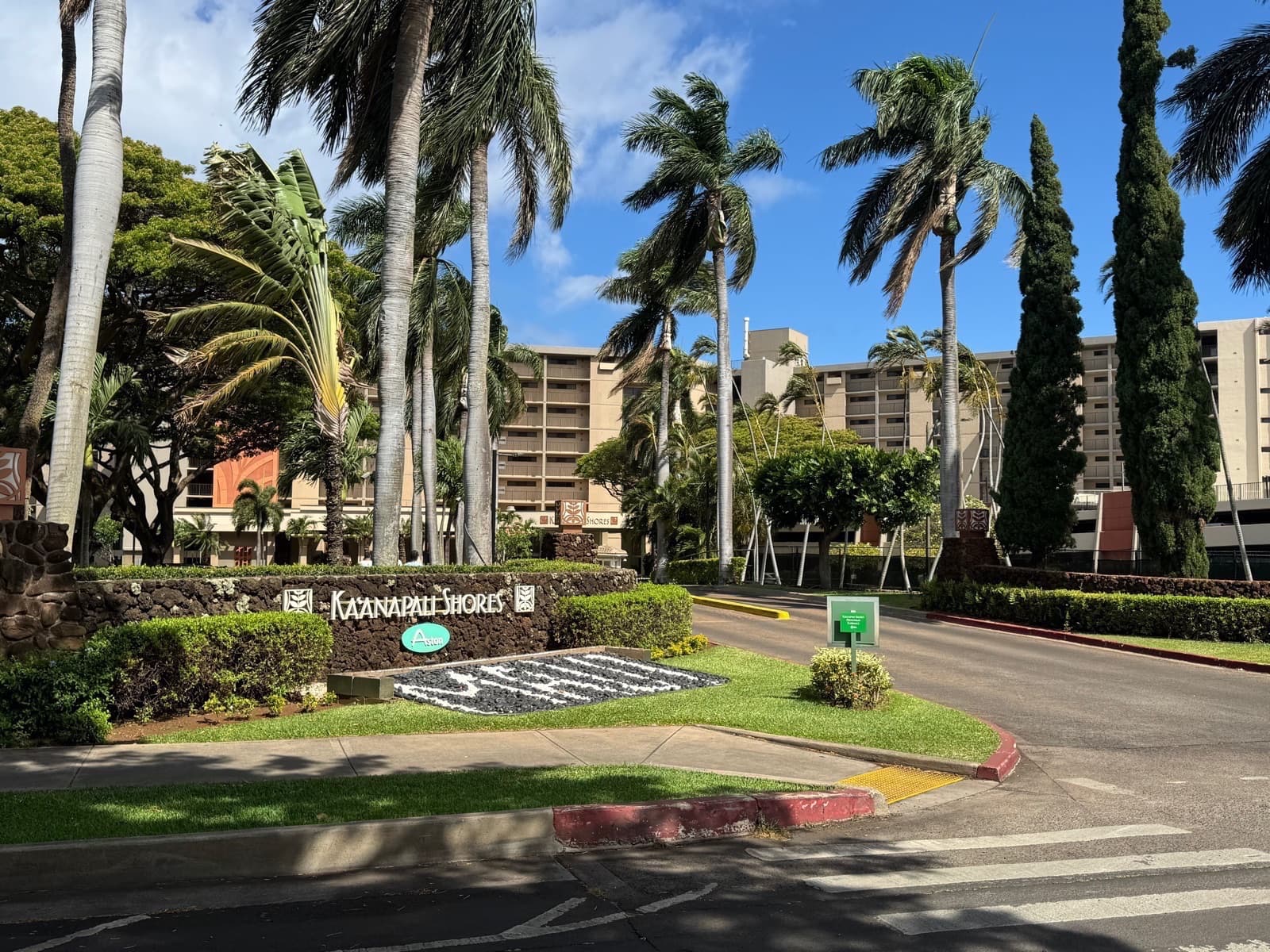
Kaanapali Shores
Kaanapali
- Current zoning status
- Guide data: A-2 / H-2
- Zoning verification
- partial
- Bill 9 exposure
- Property-specific review required
- H-3 / H-4
- H-3/H-4 status not verified
- AOAO rental posture
- Review current AOAO rules
- Guide facts last verified
- 2026-07-05
- Official source for legal status
- Current status not confirmed — contact Maui County for current records
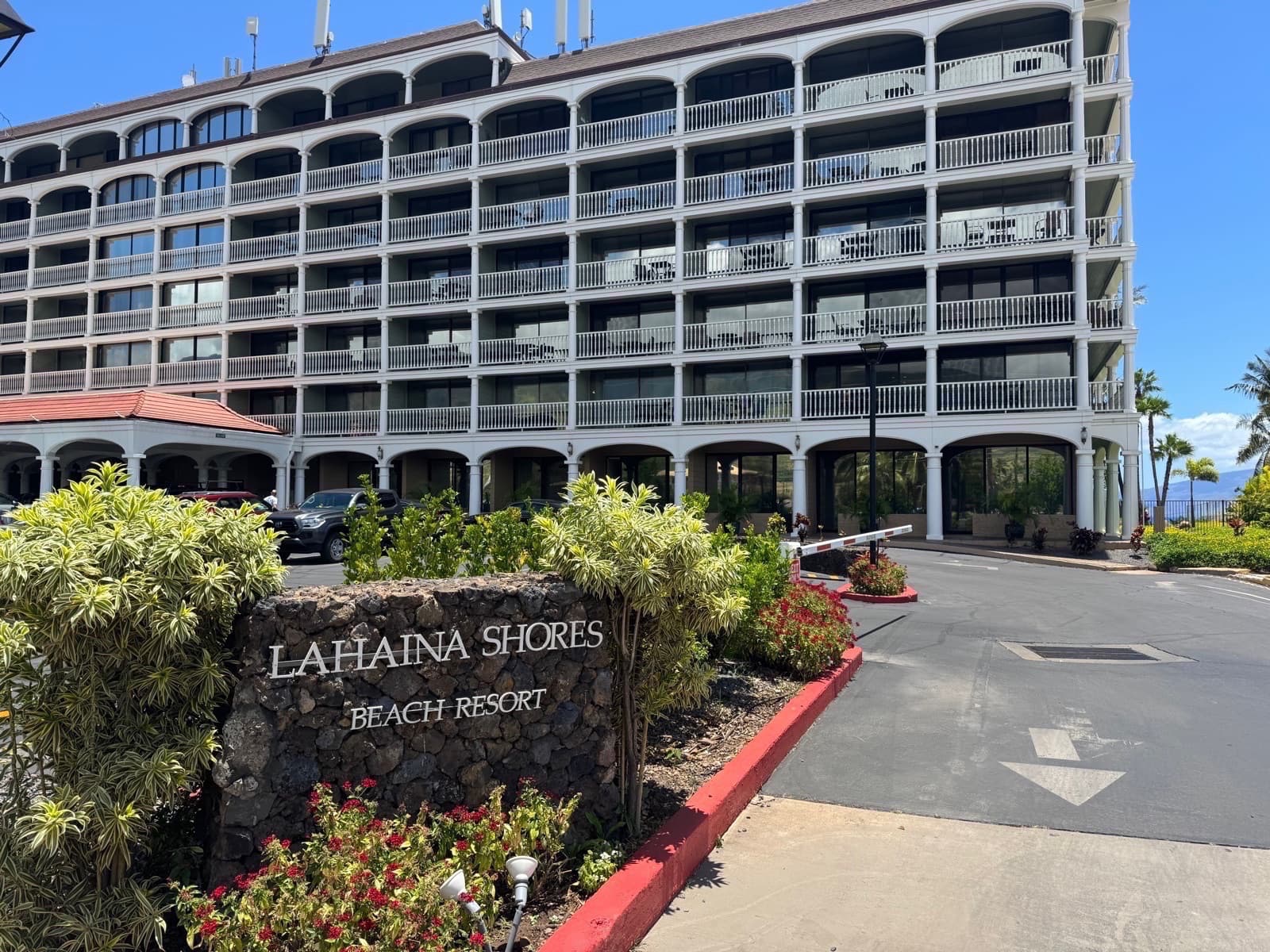
Lahaina Shores
Lahaina
- Current zoning status
- Guide data: H2/HD1/NHLD
- Zoning verification
- partial
- Bill 9 exposure
- Property-specific review required
- H-3 / H-4
- H-3/H-4 status not verified
- AOAO rental posture
- Review current AOAO rules
- Guide facts last verified
- 2026-07-05
- Official source for legal status
- Current status not confirmed — contact Maui County for current records
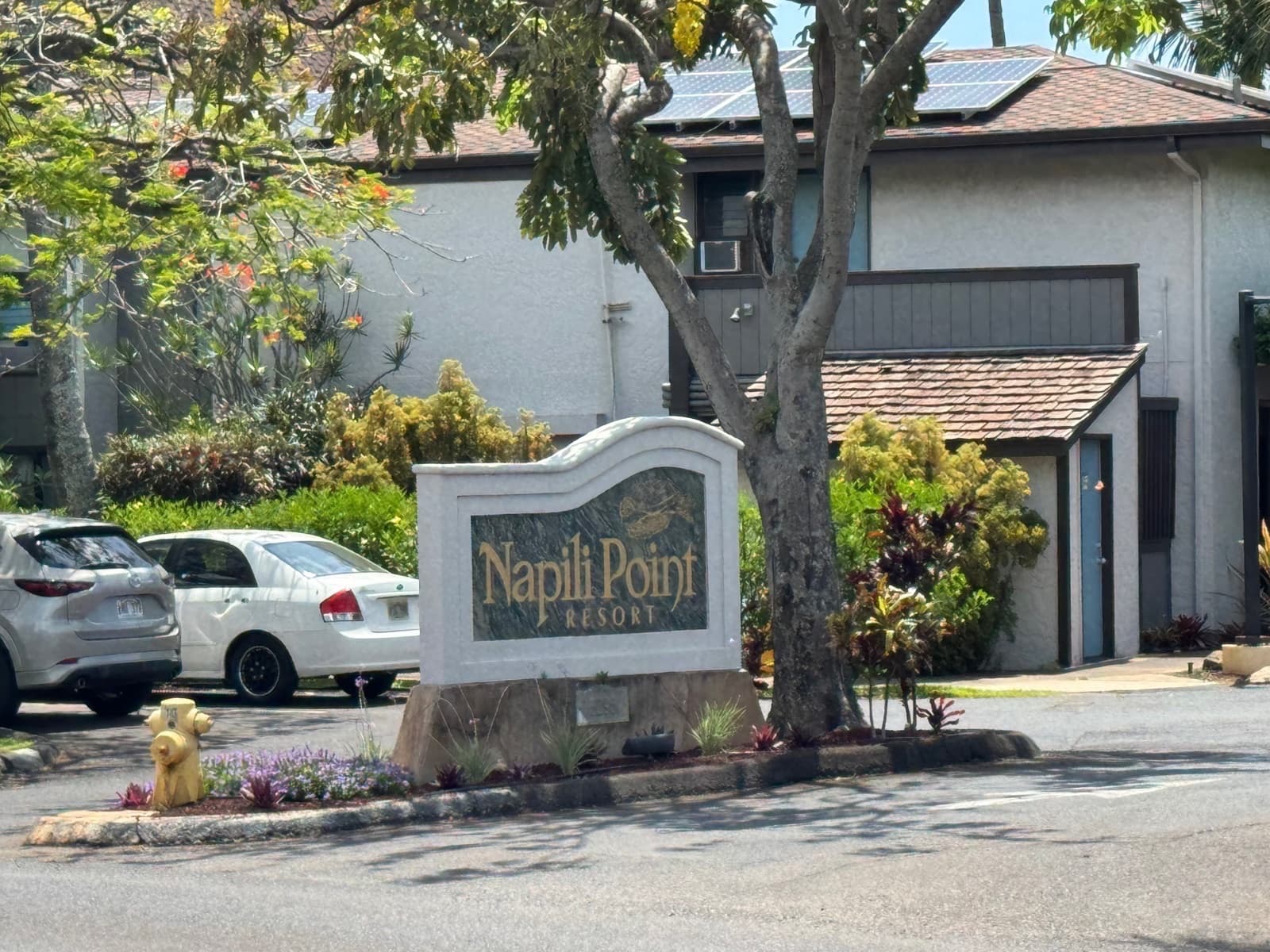
Napili Point
Napili
- Current zoning status
- Guide data: NBCID
- Zoning verification
- partial
- Bill 9 exposure
- Bill 9 exposure not determined
- H-3 / H-4
- H-3/H-4 status not verified
- AOAO rental posture
- Review current AOAO rules
- Guide facts last verified
- 2026-07-05
- Official source for legal status
- Current status not confirmed — contact Maui County for current records

Kahana Villa
Kahana
- Current zoning status
- Guide data: HM
- Zoning verification
- partial
- Bill 9 exposure
- Property-specific review required
- H-3 / H-4
- H-3/H-4 status not verified
- AOAO rental posture
- Review current AOAO rules
- Guide facts last verified
- 2026-07-05
- Official source for legal status
- Current status not confirmed — contact Maui County for current records

Aina Nalu
Lahaina
- Current zoning status
- Guide data: H-1/NHLD
- Zoning verification
- partial
- Bill 9 exposure
- Bill 9 exposure not determined
- H-3 / H-4
- H-3/H-4 status not verified
- AOAO rental posture
- Review current AOAO rules
- Guide facts last verified
- 2026-07-05
- Official source for legal status
- Current status not confirmed — contact Maui County for current records
Explore West Maui Condos by Intended Use
Hotel-Zoned and Resort-Oriented Condos
Explore properties commonly researched for personal use and potential transient-rental flexibility. Verify every unit individually.
Browse Resort Condo ListingsResidential and Long-Term Rental Condos
Explore West Maui condos that may fit owner-occupants, second-home buyers or long-term rental strategies.
Browse Residential CondosNot Sure Which Category Fits?
Tell us how you intend to use the property and which buildings interest you.
Discuss Your Condo Search
West Maui Condo Rental Verification Checklist
County and Property Records
- Current county zoning
- Tax map key
- Community plan area
- Permits
- Variances
- Conditional approvals
- Property-specific zoning ordinance
- H-3/H-4 approval if claimed
- Government notices
- Registration records where applicable
AOAO Records
- Declaration
- Bylaws
- House rules
- Rental amendments
- Minimum stays
- Rental caps
- Registration rules
- Management requirements
- Recent board and owner meeting minutes
- Pending votes
Transaction Records
- Seller disclosure
- Rental history
- Management agreement
- Tax registrations
- Insurance information
- Lender project review
- Written representations supporting intended use
Continue Your Research
West Maui Condo Rental Rules
Review the broader interaction among county zoning, Bill 9, AOAO restrictions and unit-level due diligence.
Read the Rental Rules GuideHotel-Zoned West Maui Condos
Compare resort-oriented condo communities, active listings and building-level ownership considerations.
Compare Hotel-Zoned CondosHow to Underwrite a Hotel-Zoned Condo
Stress-test nightly rates, occupancy, management expenses, insurance, AOAO fees and vacancy.
Read the Underwriting GuideWest Maui Condo Investment Analyzer
Model carrying costs and conservative rental scenarios before relying on projected income.
Open the AnalyzerWest Maui Condo Guide
Research individual buildings by location, amenities, rental posture and ownership considerations.
Compare BuildingsBuy a West Maui Condo
West Maui condo buyer services — compare areas, shortlist buildings and plan due diligence before you write an offer.
Start a West Maui condo searchWest Maui Condo Resale Checklist
Organize AOAO, insurance, assessment, rental and unit records before selling or requesting a pricing review.
Open the owner resale preparation checklist
Official Bill 9 and Maui County Sources
Because rental rules and zoning actions can change, buyers and owners should review the current official records rather than relying only on summaries.
County of Maui
Ordinance 5909 (Bill 9)
Enacted law phasing out specified transient vacation rental uses in apartment districts after an amortization period, with West Maui and remaining-county timelines.
- Type:
- Ordinance
- Publication / enactment:
- 2025-12-15
- Aina last reviewed:
- July 26, 2026
County of Maui
Maui County — Adopted Legislation
County listing of adopted legislation; use to locate current ordinance texts and related actions.
- Type:
- Index page
- Aina last reviewed:
- July 26, 2026
County of Maui
Maui County Bill 9 announcement / background
County background on Bill 9 for public understanding; confirm details against the enacted ordinance.
- Type:
- County newsflash
- Aina last reviewed:
- July 26, 2026
County of Maui
Maui County TVR FAQ
County-published questions and answers on transient vacation rentals; subject to change.
- Type:
- FAQ
- Aina last reviewed:
- July 26, 2026
County of Maui
H-3 and H-4 Hotel District ordinance
Establishes H-3 and H-4 Hotel District categories. Creating categories is not the same as rezoning an individual parcel.
- Type:
- Ordinance
- Publication / enactment:
- 2026-06-22
- Aina last reviewed:
- July 26, 2026
County of Maui
Maui County Digital Zoning Map Update Project
County page for digital zoning map resources. Confirm parcel zoning with current maps and Zoning Administration records.
- Type:
- Maps / GIS portal
- Aina last reviewed:
- July 26, 2026
County of Maui (Municode)
Maui County Code — Title 19 Zoning
Codified zoning regulations. Always verify the current online code and any recently enacted ordinances that may not yet be fully reflected.
- Type:
- County code
- Aina last reviewed:
- July 26, 2026
Frequently Asked Questions About Maui Bill 9
- What is Maui Bill 9?
- Bill 9 became Ordinance 5909 in December 2025. It phases out specified transient vacation rental uses operating in apartment districts after an amortization period. The effect on a particular condo depends on its location, verified zoning, legal basis for rental use and any applicable exemptions or subsequent zoning actions.
- When is the Bill 9 deadline for West Maui?
- For affected transient vacation rental uses in the West Maui Community Plan area, the amortization period ends December 31, 2028. Those affected uses must cease January 1, 2029, unless another lawful basis applies.
- Does Bill 9 ban every Maui vacation rental?
- No. Bill 9 addresses specified transient vacation rental uses in apartment districts. Hotel-zoned properties, permitted uses, timeshares and other categories must be evaluated under their applicable zoning and authorization.
- What was the Minatoya List?
- The term refers to a public list associated with properties operating under an earlier apartment-district exception. The county code described the list as informational only. Inclusion did not confirm zoning, establish an allowable use or create a legal right to operate a transient vacation rental.
- Does appearing on the Minatoya List protect a condo after 2028?
- List inclusion alone does not establish a continuing legal right. Buyers and owners should review the property’s current zoning, any applicable approvals, subsequent zoning actions and official county records.
- Are hotel-zoned condos affected by Bill 9?
- Bill 9’s phaseout specifically concerns transient vacation rental uses in apartment districts. Existing hotel-zoned property is evaluated under a different zoning framework, but the individual unit, AOAO rules and any required operating records still need to be verified.
- What are the H-3 and H-4 Hotel Districts?
- Maui County established H-3 and H-4 Hotel District categories in 2026. Creation of the categories did not automatically rezone every potentially eligible condominium. Property-specific approval must be confirmed through current county records.
- How do I know whether a building was rezoned H-3 or H-4?
- Review the final property-specific ordinance, parcel coverage, effective date, current zoning map and county records. A recommendation, candidate list or draft map should not be treated as final zoning approval.
- Can an AOAO prohibit rentals even when county zoning permits them?
- An association may impose rental restrictions through its governing documents. Buyers should review current declarations, bylaws and house rules in addition to county zoning.
- Can AOAO rules make short-term rental legal when county zoning does not allow it?
- Association rules do not independently create a county land-use right. Both the governmental and association layers must support the intended use.
- Can a seller or agent guarantee future rental eligibility?
- Future eligibility should not be guaranteed. Laws, zoning, association rules, permits and property-specific circumstances can change. Material representations should be supported by current written records.
- What should I verify before writing an offer?
- Verify current county zoning, the property’s community plan area, any permits or variances, property-specific H-3/H-4 approval if claimed, AOAO rental rules, seller disclosures and the records supporting any rental-income representation.
- Does past rental income prove future rental rights?
- No. Historical rental activity may help evaluate operations, but it does not establish future zoning rights, association permission or continued legal eligibility.
- Can Aina Real Estate Group determine whether my condo is legally rentable?
- Aina can help collect available records, identify inconsistencies, compare building information and highlight questions requiring confirmation. Final legal or zoning opinions should come from the appropriate county agency or qualified legal professional.
Need to Understand a Specific Condo's Rental Posture?
We can help you gather the available building and property records, identify the questions that need written answers and compare the condo with better-documented alternatives.
Request a Rental Eligibility Review
This page provides general real estate and market information from a Hawaii-licensed real estate brokerage. It is not legal, tax, zoning, planning, lending or insurance advice. Laws, government interpretations, zoning actions and AOAO documents may change. Buyers, sellers and owners should verify material facts with Maui County and qualified legal, tax, planning, lending and insurance professionals.
Selling a West Maui Condo With Rental History?
Clear, supportable documentation can help buyers understand what is known, what remains uncertain and how the unit should be positioned against competing properties.